
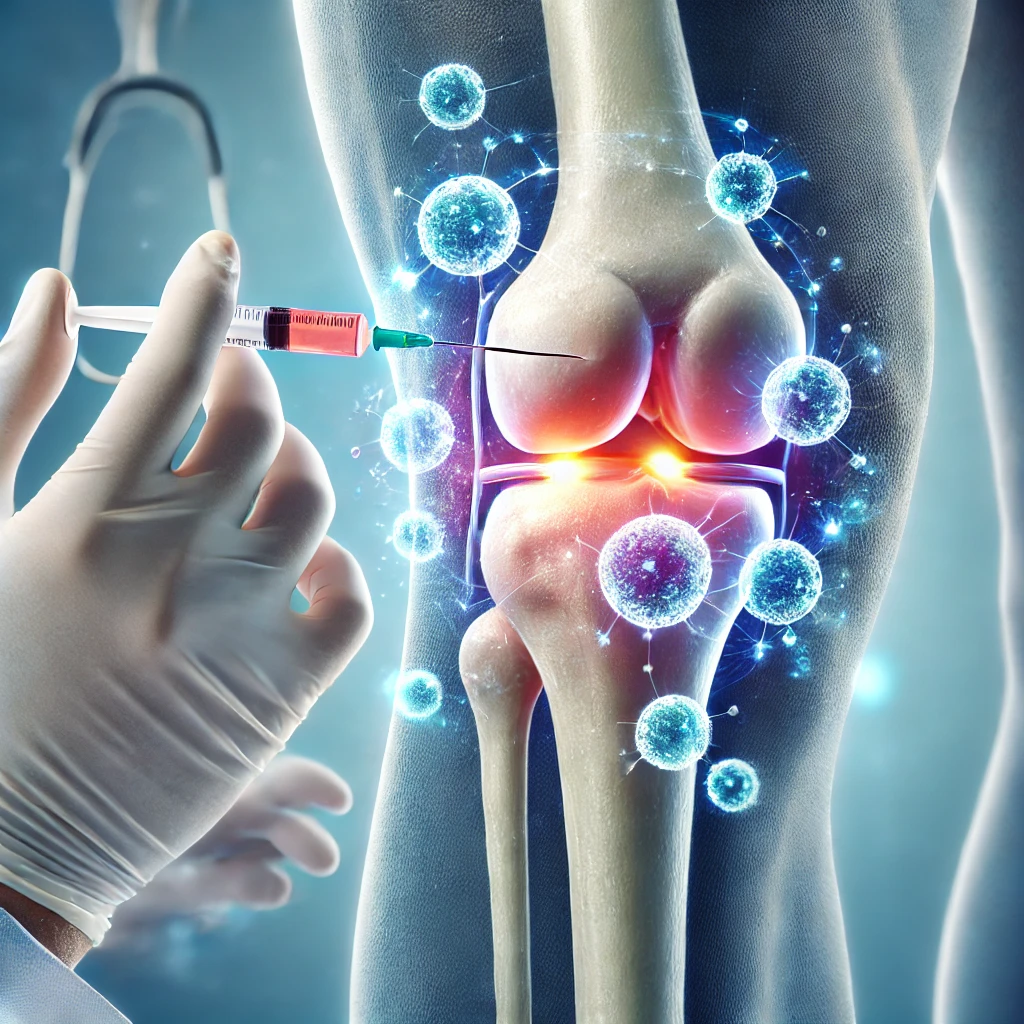
Stem cell knee treatment represents a pioneering approach to managing knee health, particularly for individuals experiencing chronic knee pain. This innovative procedure primarily utilizes mesenchymal stem cells (MSCs), which are known for their remarkable ability to differentiate into various cell types and support tissue regeneration. These stem cells can be sourced from the patient’s own body, typically from adipose (fat) tissue or bone marrow, ensuring biocompatibility and reducing the risk of rejection or adverse reactions.
The application of stem cell therapy occurs via intra-articular injections, wherein these cells are directly introduced into the knee joint. This targeted approach allows MSCs to exert their therapeutic effects in situ, promoting healing and potentially reversing damage caused by degenerative conditions such as osteoarthritis. The primary objective of stem cell knee treatment is to alleviate pain and improve the overall functionality of the knee joint, thus restoring patients’ mobility and enhancing their quality of life.
One of the key reasons for the increasing popularity of stem cell therapy in orthopedics is its non-invasive nature compared to traditional surgical interventions. Patients may often seek this treatment for its reduced downtime and lower risk of complications. The regenerative capabilities of MSCs play a critical role in this context, as they are involved in various mechanisms, including the reduction of inflammation, secretion of bioactive factors, and stimulation of the body’s natural repair processes. By addressing not only the symptoms but also the underlying causes of knee pain, stem cell knee treatment has emerged as a revolutionary solution for individuals seeking relief and a return to an active lifestyle.
Stem cell therapy has emerged as a pivotal treatment option for individuals grappling with knee pain, particularly those suffering from conditions such as osteoarthritis or post-injury complications. One of the most significant advantages of this innovative treatment is its potential for long-term pain relief. Patients often report substantial reductions in pain levels, allowing them to engage in everyday activities without discomfort. This therapeutic approach harnesses the body’s natural healing capabilities, promoting regeneration of damaged tissues and thus addressing the root cause of pain rather than merely masking symptoms.
Additionally, stem cell therapy can effectively reduce inflammation, a common underlying issue in knee-related ailments. By targeting the inflammatory processes, this treatment can alleviate swelling, which contributes to enhanced functionality and improved mobility. Patients frequently experience increased range of motion in their joints, enabling them to resume physical activities they may have previously avoided due to pain or stiffness. Enhanced mobility not only aids in physical rehabilitation but also contributes positively to mental well-being, as individuals regain the ability to participate in activities they cherish.
The overall enhancement of quality of life is another critical benefit of stem cell therapy for knee pain. Testimonials from individuals who have undergone this treatment reveal transformational changes in their lifestyles. Many have shared stories of returning to hobbies and sports that they thought they had to give up. For instance, patients have described a newfound capacity to enjoy walking, hiking, or playing with grandchildren, highlighting the profound impact that effective knee pain management can have on their daily experiences.
In summary, the numerous benefits of stem cell therapy for knee pain offer not just physical relief but also a return to normalcy in patients’ lives, emphasizing its value as a revolutionary treatment option in knee health management.
The journey of stem cell knee treatment begins with an initial consultation, where the orthopedic specialist performs a comprehensive assessment of the patient’s medical history, symptoms, and knee condition. This step is crucial to determine the suitability of stem cell therapy and to formulate a personalized treatment plan. During this consultation, patients are encouraged to ask questions and express any concerns they may have regarding the procedure, which helps to foster a clear understanding and build confidence in the treatment process.
Following the consultation, the next phase involves preparing for the procedure itself. Stem cell therapy is characterized by its minimally invasive approach, often performed under local anesthesia, which significantly reduces discomfort and minimizes recovery time. Patients are usually advised to wear comfortable clothing and may be asked to avoid certain medications in the days leading up to the treatment to ensure optimal healing and effectiveness.
On the day of the procedure, medical experts will utilize state-of-the-art equipment to extract the stem cells, commonly derived from the patient’s own bone marrow or adipose tissue. This extraction process usually takes place in a sterile environment, ensuring the highest standards of safety and hygiene. Once harvested, the stem cells are concentrated and prepared for injection into the affected knee area. The injection itself is generally quick, often completed within a matter of minutes. The combination of advanced imaging techniques helps guide the injection precisely into the damaged tissue.
Post-treatment, patients will receive detailed aftercare instructions to aid in recovery and maximize the benefits of the therapy. It is essential to follow these guidelines diligently, as they may include recommendations for rest, physical therapy, and gradual resumption of regular activities. While individuals may experience some swelling or discomfort initially, these symptoms typically subside as the healing process progresses. Understanding these aspects of the procedure ensures that patients feel more empowered and informed as they embark on their journey toward improved knee health.
Stem cell knee treatment has emerged as a promising option for individuals seeking relief from osteoarthritis or knee injuries. However, understanding the financial implications is essential for those considering this innovative approach. The cost for administering 50 million mesenchymal stem cells generally hovers around $4,400. This price typically encompasses not only the actual procedure but also a range of supportive services. For instance, initial consultations with specialized medical professionals are integral to the treatment process as they assess patient eligibility, discuss potential outcomes, and tailor a treatment plan specific to individual needs. Following the administration of stem cells, subsequent follow-up care is also included, ensuring that patients have access to ongoing support throughout their recovery.
It is important for prospective patients to consider the available insurance coverage options, as many health insurance plans do not currently cover stem cell treatments. However, patients are encouraged to research their specific plans and consult with their insurance providers to explore any potential assistance. Some clinics may offer financing options or payment plans to make the treatment more accessible to those who may find the upfront cost prohibitive.
Accessibility is another critical factor when it comes to stem cell knee treatment. Various clinics across the country are beginning to offer these innovative therapies, and many cities now have qualified specialists trained in administering stem cell treatments. This enhanced availability increases the feasibility for patients looking to alleviate knee pain. As more research emerges, and as stem cell therapy becomes more recognized within the medical community, it is likely that both the accessibility and affordability of such treatments will continue to improve, paving the way for more patients to benefit from this revolutionary approach to knee health.
Our Mesenchymal Stem Cell (MSC) therapy can effectively aid in the healing and regeneration of various tissue types, including cartilage, meniscus, ligaments, tendons, and muscles. Here’s a breakdown of how MSCs can help address each condition:
Cartilage cushions your joints, allowing for smooth, pain-free movement. In cases of arthritis, this cartilage wears down, leading to stiffness and discomfort. MSCs target the affected area, reducing inflammation and guiding the growth of new cartilage cells, improving joint mobility and reducing pain.
The meniscus acts as a shock absorber in your knee, providing cushioning between bones. Damage to the meniscus can result in pain and restricted movement. MSC therapy can help regenerate meniscal tissue, reduce inflammation, and promote the production of structural components, aiding in quicker recovery and improved knee function.
Ligaments are strong bands of tissue that connect bones and provide joint stability. When ligaments are injured, it can lead to pain and instability. MSCs can enhance ligament healing by stimulating the growth of new cells and promoting collagen production, which strengthens the tissue and improves flexibility.
Tendons connect muscles to bones and are vital for movement. Injuries to tendons can result in pain, swelling, and weakness. MSCs help repair damaged tendons by encouraging the growth of new cells and reducing inflammation. They guide tendon cells to produce collagen, increasing the strength and resilience of the tendon.
Muscle damage can occur due to injuries, overuse, or aging, leading to pain and reduced mobility. MSC therapy can assist in muscle repair by promoting the growth of new muscle cells, reducing inflammation, and guiding muscle cells in producing essential proteins for contraction, helping restore muscle function.
By harnessing the power of stem cells, we offer a natural, effective solution for tissue repair and recovery, providing long-term relief and improved quality of life.
